
Guide
Motorhome Terms Explained: A Plain-English Glossary for Beginners
Learn common motorhome terms like payload, berths and hook-up with this simple glossary designed to help beginners understand motorhome jargon.
16 April 2026
Learn common motorhome terms like payload, berths and hook-up with this simple glossary designed to help beginners understand motorhome jargon.
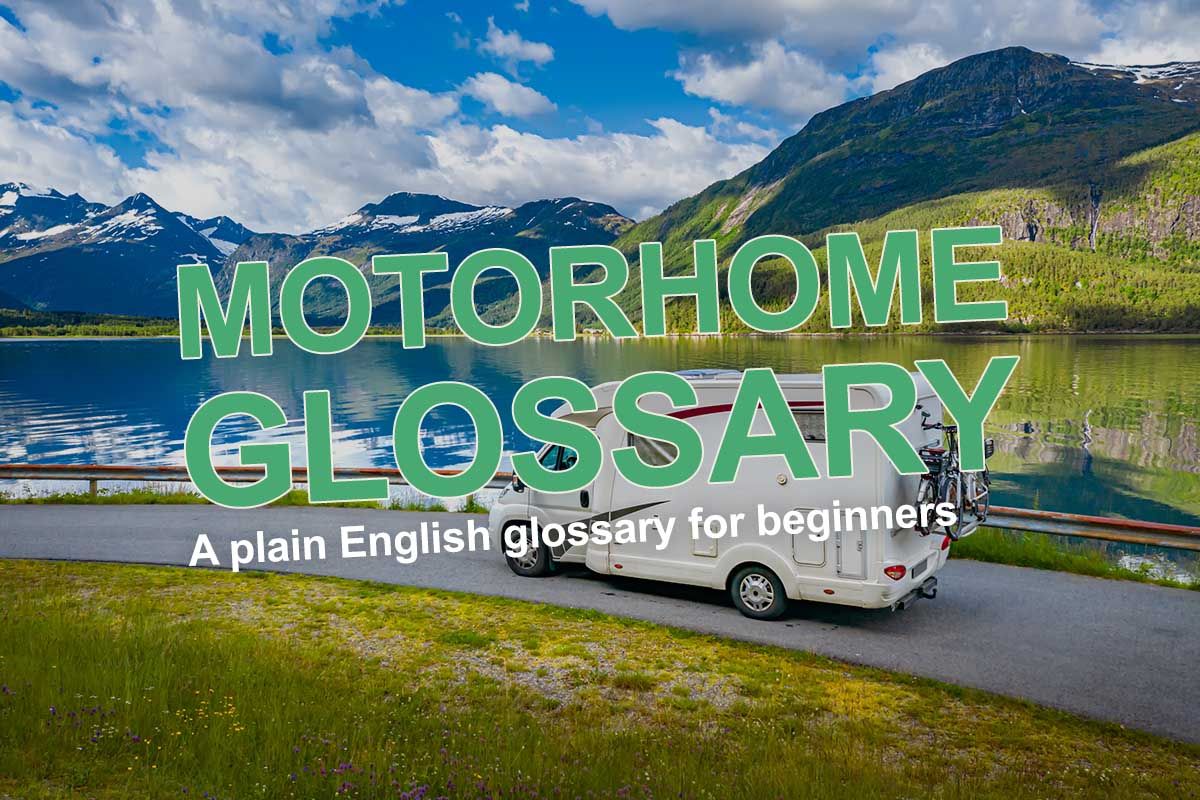
One of the biggest reasons motorhomes feel overwhelming at first isn’t the vehicles themselves.
It’s the language.
You start browsing listings or walking around a dealership, and suddenly you’re hearing terms like payload, berths, habitation check, low-profile, A-Class. Most of them aren’t complicated, but they’re rarely explained properly.
This guide is here to fix that.
Think of it as a simple reference you can come back to whenever something doesn’t quite make sense. No jargon, no over-explaining, just clear definitions of the terms you’re most likely to come across as a beginner.
A coachbuilt motorhome is built using a van cab at the front, with a purpose-built living area attached behind it.
That’s why they’re wider and taller than vans. The rear section is designed specifically for living space, which allows for more layout options and more room inside.
Berths refer to how many people can sleep in the motorhome.
For example, a four-berth motorhome means it can sleep four people. This doesn’t always match how many people can travel in it, which is why it’s important to check belted seats separately.
Belted seats tell you how many people can legally travel in the motorhome.
This is often different from the number of berths. A motorhome might sleep four people but only have two or three travel seats with seatbelts.
Always check this if you plan to travel with others.
A habitation check is a service that focuses on the living area of the motorhome rather than the engine.
It typically includes checks on things like gas systems, electrics, water systems and damp. It’s one of the most important things to look for when buying a used motorhome.
Hook-up means connecting the motorhome to mains electricity at a campsite.
When you’re on hook-up, you can use standard plug sockets, and the leisure battery will charge at the same time.
Off hook-up, you rely on the motorhome’s battery, gas and other onboard systems.
Payload is how much weight you can add to the motorhome once its empty weight is taken into account.
This includes people, water, gas, luggage, bikes and accessories. Exceeding the payload limit can make the vehicle unsafe and illegal to drive.
A cassette toilet is the most common type of toilet in a motorhome.
Waste is stored in a removable tank, which you slide out from an external hatch and empty at a designated disposal point. It’s simple to use and easy to manage once you’ve done it once.
Grey water is the used water from sinks and showers.
It collects in a separate tank underneath the motorhome and is emptied at a waste point. It’s completely separate from toilet waste.
The leisure battery powers the living area of the motorhome.
It runs things like lights, the water pump, USB sockets and control systems. It is separate from the engine battery, which is only used to start the vehicle.
An A-Class motorhome is fully integrated, meaning the entire front of the vehicle is part of the living space.
There is no separate van cab inside, which creates a more open and spacious interior. They are often higher-spec and designed for longer touring.
A low-profile motorhome does not have a bed over the cab.
This gives it a sleeker shape and often a more streamlined look, while still offering a comfortable living space inside. They are popular with couples.
An overcab motorhome has a fixed bed above the cab.
This adds an extra sleeping area without using space in the main living area, which makes it a popular option for families or anyone needing more berths.
A fixed bed is a permanent bed that stays in place at all times.
You don’t need to convert it each night, which makes the motorhome easier to live in day to day. The trade-off is that it takes up space that can’t be used for anything else.
Garage storage refers to a large storage area, usually located underneath a rear bed.
It’s accessed from outside the motorhome and is ideal for storing bikes, outdoor furniture or bulkier items. Weight limits still apply, so it’s important not to overload it.
An awning is a canopy that extends from the side of the motorhome.
It creates a covered outdoor space for sitting, cooking or relaxing. One important thing to remember is to always retract it before driving away.
You don’t need to memorise all of this.
Most of these terms will start to feel familiar very quickly once you begin looking at motorhomes more seriously. The goal here is simply to give you enough understanding so you don’t feel lost when you come across them.
And if something doesn’t make sense, you can always come back to this page and check.
Keep researching
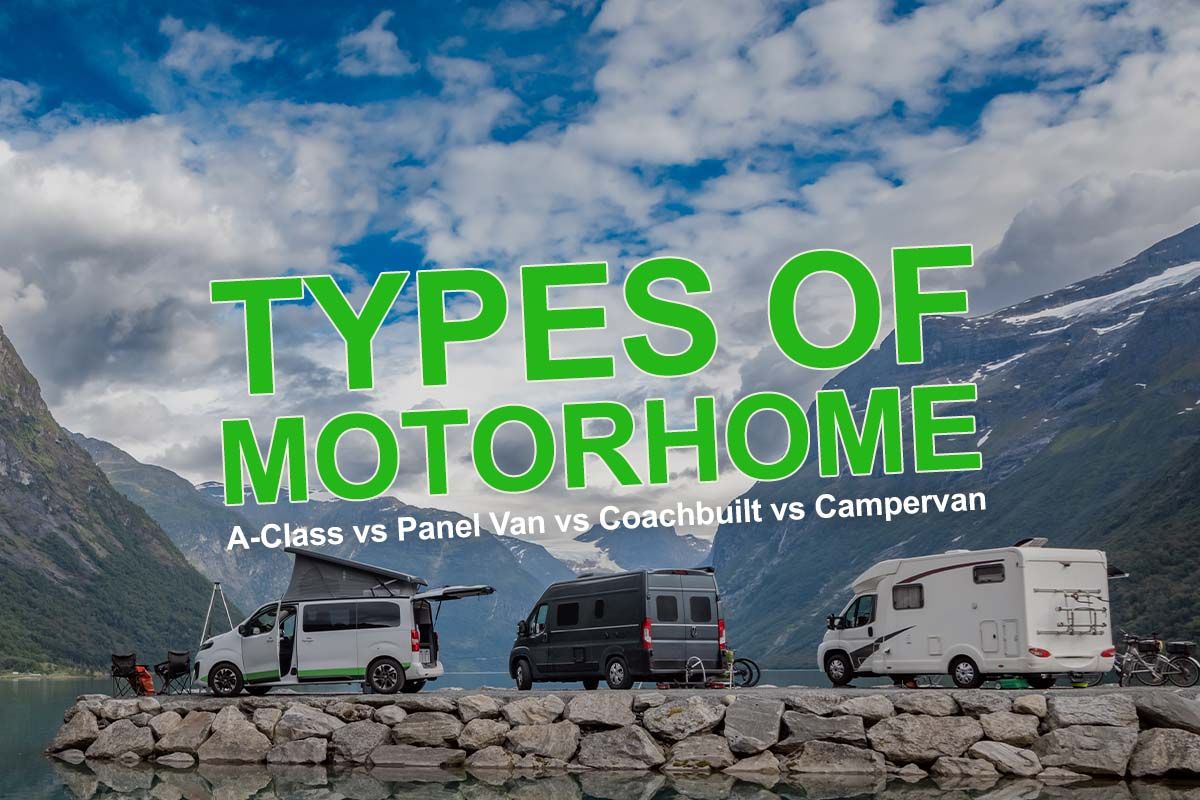
Confused by different types of motorhomes? This beginner-friendly guide explains panel van, coachbuilt and A-Class motorhomes so you can quickly find what suits your travel style.
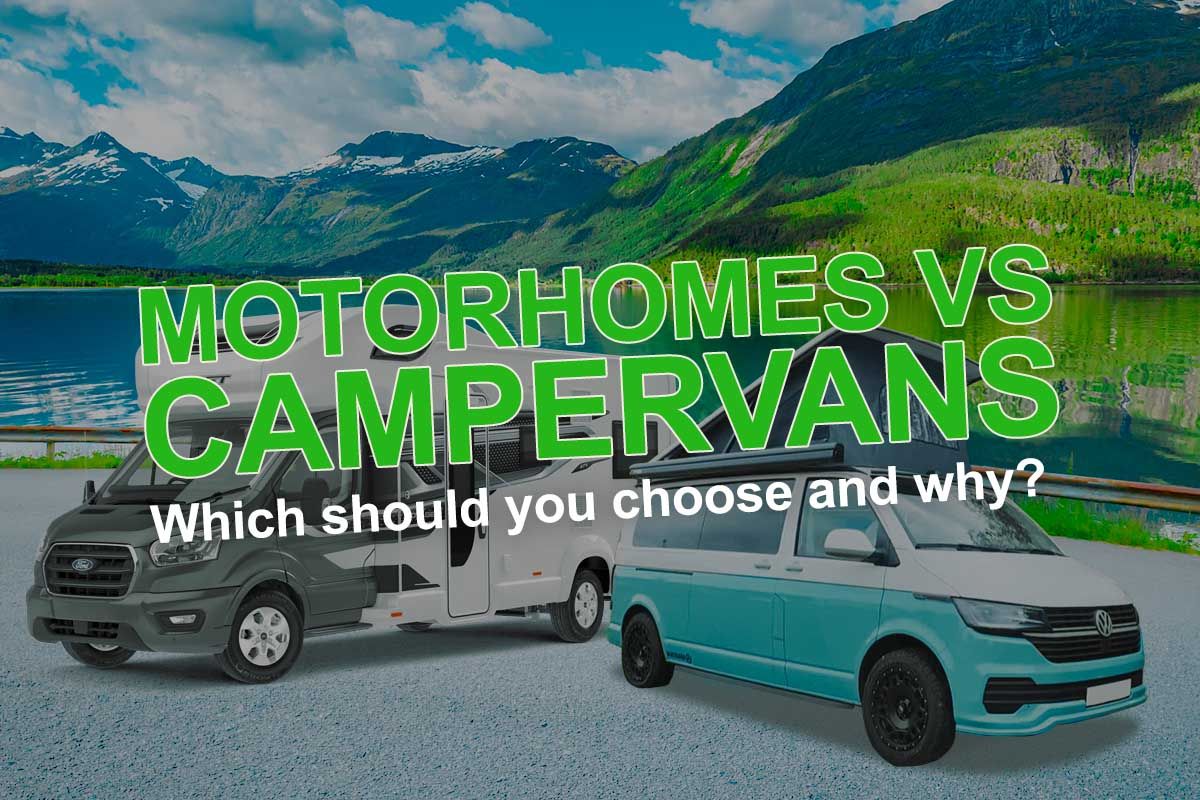
Motorhome or campervan? This guide explains the key differences, pros and cons, and which option suits your travel style so you can choose with confidence.
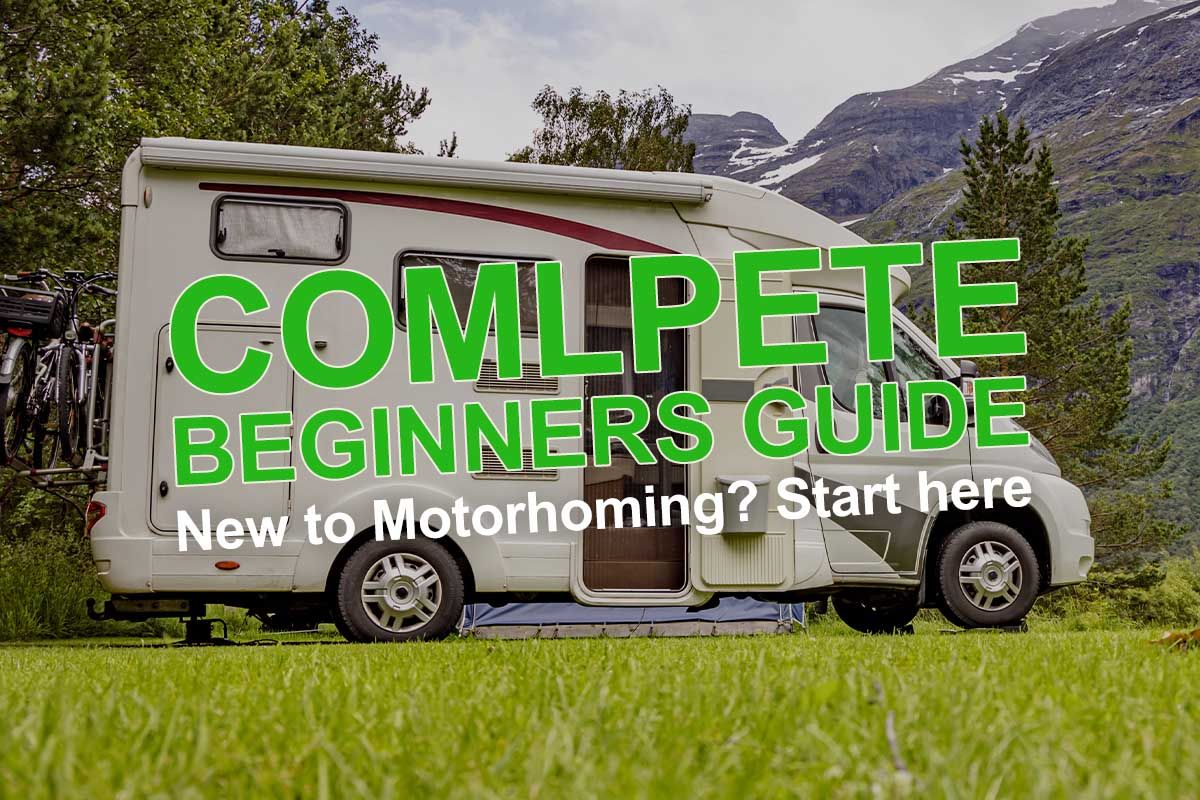
New to motorhomes and not sure where to start? This beginner-friendly guide explains what a motorhome really is and walks you through everything you need to know, from types and layouts to systems, driving and buying advice.