Once you start seriously looking at motorhomes, this is usually the point where things begin to feel a bit confusing.
You’ll see different shapes, sizes and names being used. Panel van, coachbuilt, low-profile, overcab, A-Class. It can feel like a lot very quickly.
The good news is that it’s actually much simpler than it looks.
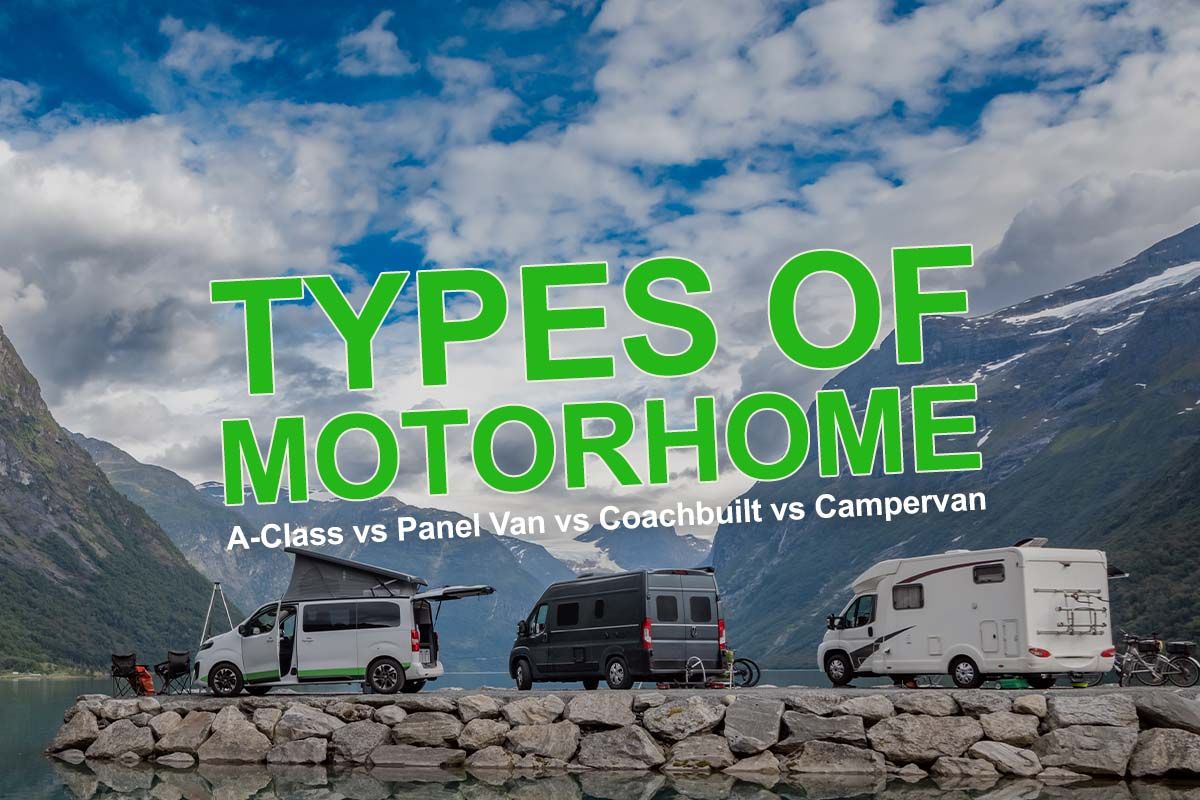
The vast majority of motorhomes in the UK fall into three main types:
- Panel van conversions
- Coachbuilt motorhomes
- A-Class motorhomes
Once you understand how these differ, you can very quickly narrow down what will and won’t work for you.
Why the type matters
Before we get into each one, it’s worth understanding why this matters.
The type of motorhome affects:
- How it drives
- How easy it is to park
- How much space you have inside
- What layouts are possible
- How comfortable it feels on longer trips
In other words, this decision shapes everything that comes after it.
So rather than jumping straight into layouts or features, it makes sense to get clear on the type first.
Panel van conversions
A panel van conversion is exactly what it sounds like.
It starts with a standard van body, and the living space is built inside it. From the outside, it still looks very much like a van.
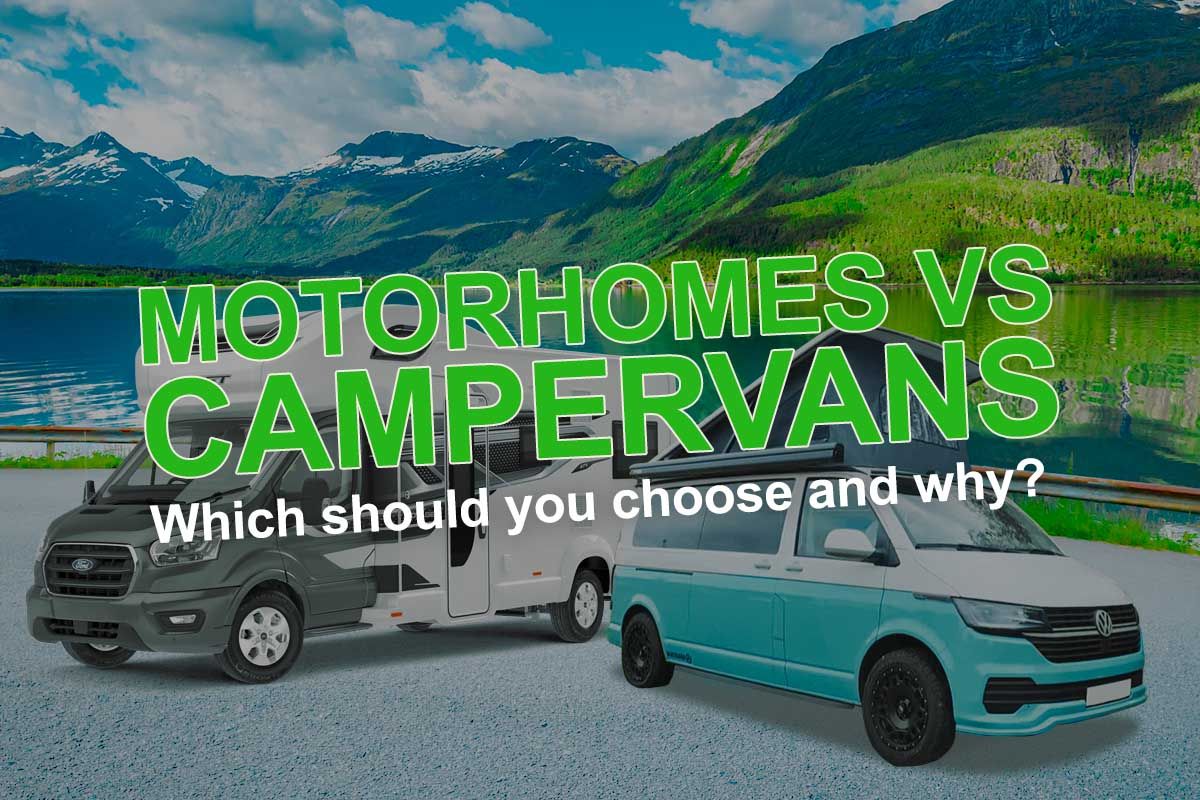
This is what most people are referring to when they say “campervan”.
Because the original body shape is kept, panel vans are:
- Narrower
- Lower
- More compact overall
That has a big impact on how they feel to drive and use.
What they’re like to live with
Panel van conversions tend to feel simple and efficient.
Everything is designed to make the most of a limited space, so you’ll often see:
- Side kitchens
- Rear beds or lounge conversions
- Compact washrooms, if included
- Multi-use furniture
They are very practical, but there’s less flexibility in layout because the structure of the van cannot be changed.
Who they suit best
Panel van conversions are a great fit if you:
- Want something easy to drive and park
- Plan shorter trips or frequent movement
- Are travelling as a couple or solo
- Prefer a more compact, low-profile vehicle
They are also popular with people who want something that feels closer to a normal vehicle for everyday use.
What to be aware of
The main trade-off is space.
You’ll have:
- Less storage
- Smaller kitchens
- Limited washroom options
- More reliance on converting beds or seating
For some people, that’s exactly what they want. For others, it’s the reason they move up to a coachbuilt motorhome.
Coachbuilt motorhomes
Coachbuilt motorhomes are what most people picture when they think of a motorhome.
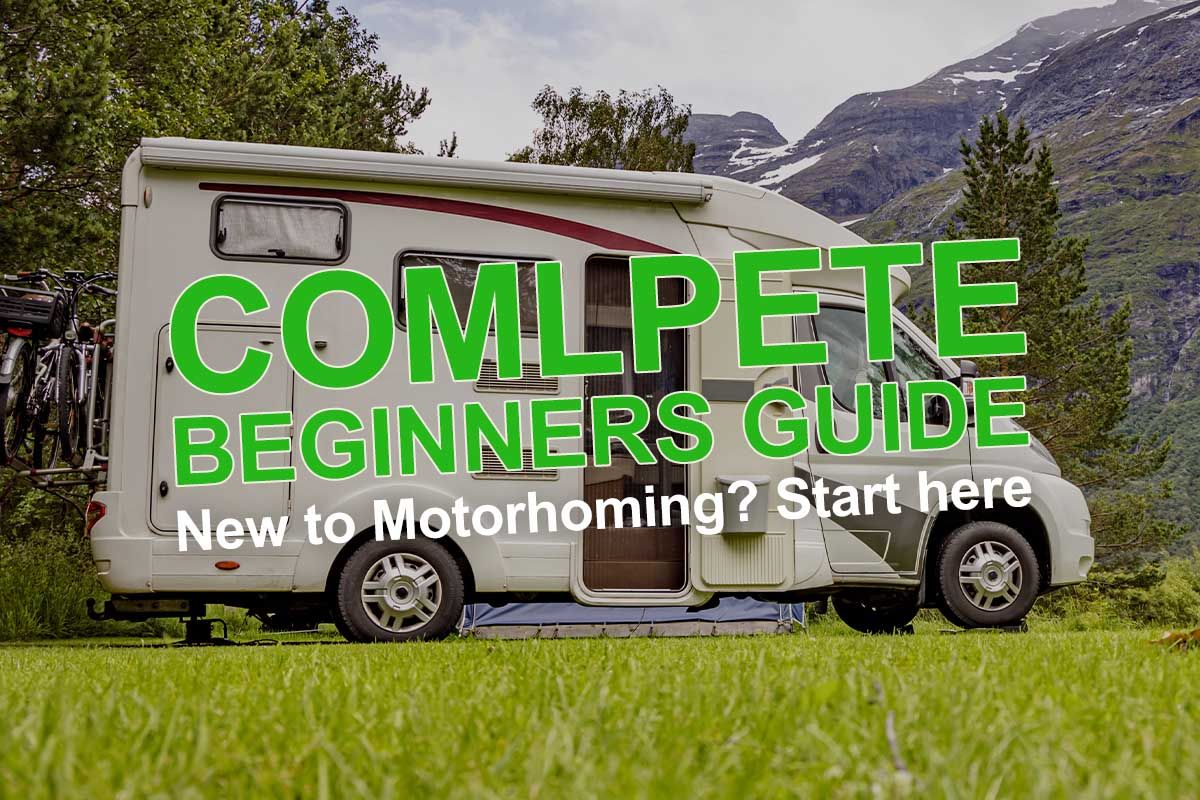
They are built using a van cab at the front, with a purpose-built living area attached behind it. This rear section is wider and taller than the cab, which is where the extra space comes from.
Because the living area is designed from scratch, coachbuilt motorhomes offer far more flexibility in layout.
What they’re like to live with
This is where motorhomes start to feel more like a small home.
You’ll typically find:
- More headroom
- Wider interiors
- Larger kitchens
- Proper washrooms
- More storage throughout
There is also a much wider range of layouts available, which is why this category is so popular with first-time buyers.
The two main styles
Within coachbuilt motorhomes, you’ll usually come across two main styles.
Low-profile
A low-profile motorhome does not have a bed over the cab.
Instead, that space is used for storage or simply to keep the vehicle more streamlined.
These are very popular with couples because they feel a bit sleeker and less bulky, while still offering plenty of comfort inside.
Overcab
An overcab motorhome has a large bed above the cab.
This gives you an extra permanent sleeping area without taking up space in the main living area.
That’s why overcabs are particularly popular with families or anyone who needs additional sleeping capacity.
Who they suit best
Coachbuilt motorhomes are ideal if you:
- Want more space and comfort
- Need flexibility in layout
- Are travelling as a couple or a family
- Plan longer trips or mixed weather use
They are often the best all-round option for people new to motorhomes because they offer a good balance between usability and comfort.
What to be aware of
Compared to panel vans, coachbuilt motorhomes are:
- Wider
- Taller
- More noticeable on the road
They are still very manageable to drive, but you do need to be more aware of size, especially in narrower areas or when parking.
A-Class motorhomes
A-Class motorhomes take things a step further.
Instead of using a van cab, the entire front of the vehicle is integrated into the living space. There is no separate cab area inside.
From the outside, they have a much more distinctive look. Inside, they often feel more open and spacious.
What they’re like to live with
Because the whole front is part of the living area, A-Class motorhomes can make better use of space.
You’ll often find:
- Large, open lounges
- Drop-down beds at the front
- Wide, uninterrupted interiors
- High-quality finishes and materials
They are often built to a higher specification, with features designed for longer-term touring.
Who they suit best
A-Class motorhomes are a good fit if you:
- Want maximum comfort and space
- Plan longer trips or extended touring
- Prefer a more premium feel
- Value open, uninterrupted living areas
They are often chosen by experienced buyers, but they can absolutely work for first-time buyers who know what they want.
What to be aware of
A-Class motorhomes are usually:
- More expensive
- Larger and heavier
- More likely to require a C1 licence
- Less discreet in terms of appearance
They are not better than other types. They are simply designed with a different focus.
A simple way to compare them
If you strip it back, the three types can be thought of like this:
- Panel van conversion
Compact, easy to drive, limited layout flexibility - Coachbuilt motorhome
Widest range of layouts, good balance of space and usability - A-Class motorhome
Most spacious and premium, designed for comfort and longer touring
That simple comparison is often enough to point you in the right direction.
How to choose the right type for you
At this stage, you don’t need to have a perfect answer. You just need to start narrowing things down.
A good way to approach it is to think about:
- How comfortable you are driving a larger vehicle
- Whether you prioritise ease of use or interior space
- How long your trips are likely to be
- How many people you are travelling with
- Whether you want a fixed layout or something more flexible
Once you have a rough idea, it becomes much easier to focus your search.
What comes next
Once you’ve got a feel for the type of motorhome that suits you, the next step is layout.
Because within each type, the layout is what really determines how the motorhome works day to day.
Where you sleep, where you sit, how you move around, and how you share the space with other people.
That’s where things start to get personal.