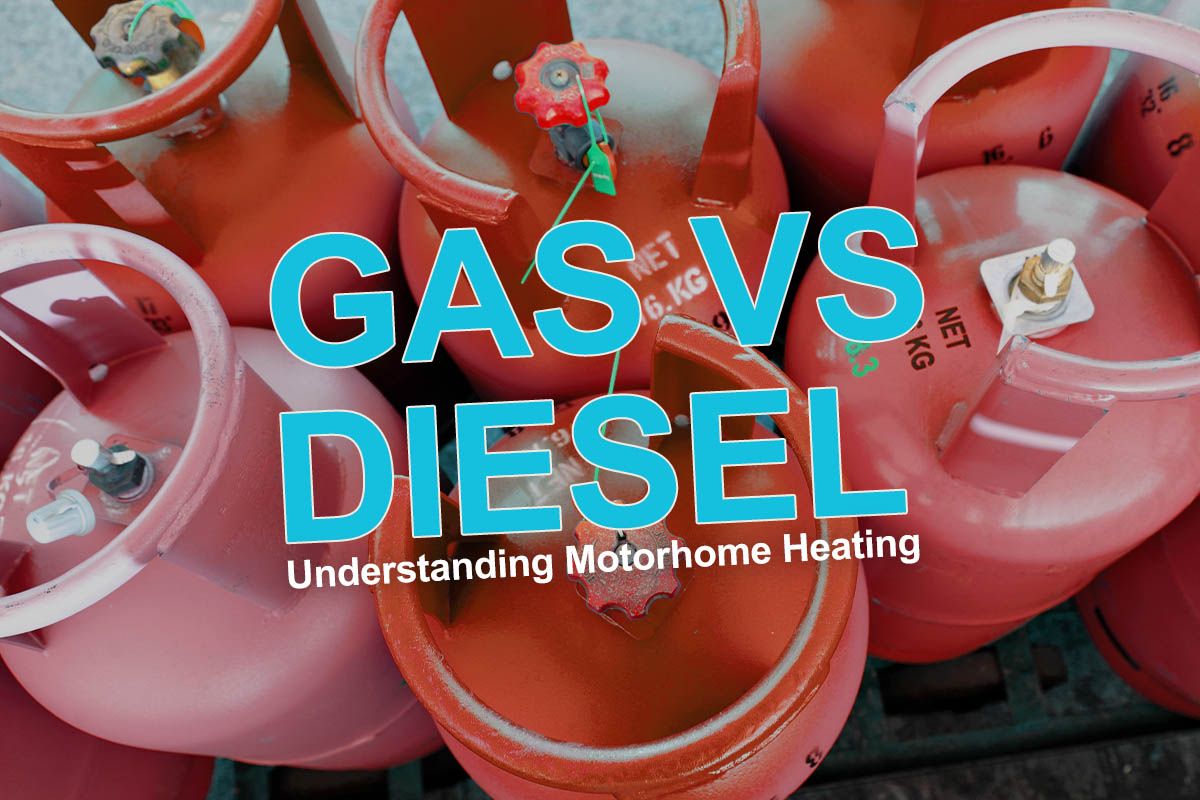
Gas is one of those things that often makes people pause when they first start looking at motorhomes.
It sounds technical, and there’s usually a bit of uncertainty around how it works, how safe it is, and how much you actually need to think about it.
In reality, it’s much simpler than it seems.
Gas is one of the reasons motorhomes are so self-contained. It allows you to cook, heat the space, and often run your fridge without needing to be plugged into anything. Once you understand what it’s doing and how it’s set up, it quickly becomes just another normal part of using the motorhome.
What gas is used for in a motorhome
In most motorhomes, gas is used for three main things.
The first is cooking. Your hob, and sometimes an oven or grill, will usually run on gas. This is the most familiar part of the system and tends to feel the most natural straight away.
The second is heating and hot water. Many motorhomes use gas to power the system that keeps the interior warm and provides hot water for showers and washing. This is especially important if you plan to travel outside of peak summer.
The third is the fridge. In many motorhomes, the fridge can run on gas when you’re parked without hook-up. This is something that often surprises beginners, but it’s a key part of how motorhomes stay usable off-grid.
Propane vs butane
You’ll hear propane and butane mentioned a lot, and it can seem like there’s a big difference between them.
The reality is quite simple.
Propane works well in cold weather.
Butane does not.
Because of that, propane is generally the better choice for UK touring, especially if you plan to travel in spring, autumn or winter. It’s more reliable across a wider range of temperatures.
Most motorhomes in the UK use propane for this reason.
Exchange bottles vs refillable LPG
There are two main ways gas is stored and used in a motorhome.
The first is exchange bottles. These are removable gas bottles that you replace when they’re empty. You take the empty bottle to a supplier and swap it for a full one.
The second is a refillable LPG system. This is built into the motorhome and can be filled at LPG fuel stations, similar to filling up with petrol or diesel.
Both systems work well, but they suit slightly different types of travel.
Exchange bottles are simple and widely available in the UK. Refillable systems can be more convenient if you travel frequently or go abroad, as you don’t need to worry about finding the right bottle type.
How long does gas last?
This is one of the most common questions, and the honest answer is that it depends on how you use the motorhome.
If you’re mainly using gas for cooking and occasional hot water, a bottle can last quite a long time.
If you’re using gas heavily for heating, especially in colder weather, it will run down much faster. Heating is by far the biggest user of gas in most motorhomes.
That’s why it’s important to think about when you plan to travel. Summer use and winter use are very different when it comes to gas consumption.
Is motorhome gas safe?
This is another common concern, especially for people new to motorhomes.
The short answer is yes, it is safe when used properly.
Motorhomes are designed with safety in mind. Gas bottles are stored in dedicated lockers, systems are fitted with regulators and shut-off valves, and everything is built to meet specific standards.
Like anything, it comes down to good maintenance and awareness. It’s important to know where your gas shut-off is and to make sure the system is checked as part of regular servicing, especially when buying used.
If you’re buying from a dealership, they should be able to explain exactly how the system works and what checks have been carried out.
What to ask before you buy
You don’t need to know every detail, but a few simple questions can make things much clearer.
It’s worth asking which appliances run on gas, whether the motorhome uses propane or butane, and whether it has exchange bottles or a refillable system.
You can also ask how you check gas levels and how the heating system is powered. These answers will give you a good sense of how the motorhome will work in everyday use.
How gas fits into everyday use
In practice, most motorhome owners don’t think about gas very much after the first few trips.
When you’re on a campsite, you’ll often use mains electricity for certain things, and the gas system runs in the background where needed.
When you’re off-grid, gas becomes more important. It allows you to cook, heat the space, and keep the fridge running without needing to plug in.
This combination is what makes motorhomes so flexible. You can use them in different ways depending on where you are and how you like to travel.
Final thoughts
Gas might feel like one of the more technical parts of a motorhome at first, but it’s actually one of the simplest to get used to.
It’s reliable, easy to manage, and plays a big role in making the motorhome feel self-contained.
Once you understand what it’s used for and how it’s set up, it quickly becomes something you don’t think twice about.