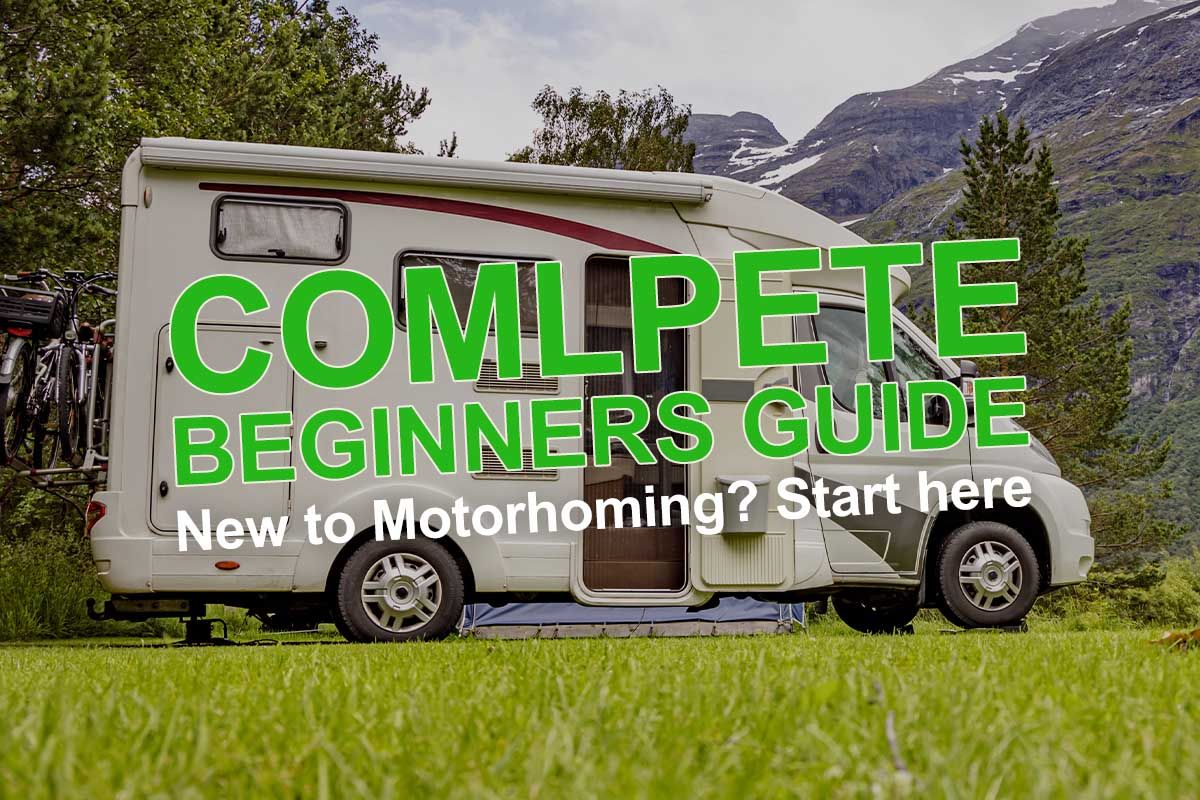
For a lot of people, this is the question that sits quietly in the background when they first start looking at motorhomes.
“Can I actually drive one of these?”
It’s a fair concern. Motorhomes look bigger than cars, they sit higher on the road, and there’s often a feeling that they might require a special licence or a completely different driving experience.
The good news is that for most people, the answer is much simpler than expected.
In many cases, yes, you can drive a motorhome on a standard car licence.
The simple answer
If a motorhome has a maximum weight of 3,500kg or less, it can usually be driven on a standard UK car licence.
That covers a large proportion of motorhomes on the market, especially those designed with first-time buyers in mind. Manufacturers often build models to stay within this limit specifically so they are accessible without needing an additional licence.
So for many people, there is no extra step required. If you can drive a car, you can legally drive a motorhome within this weight category.
When you might need a different licence
Things change once you move above the 3,500kg limit.
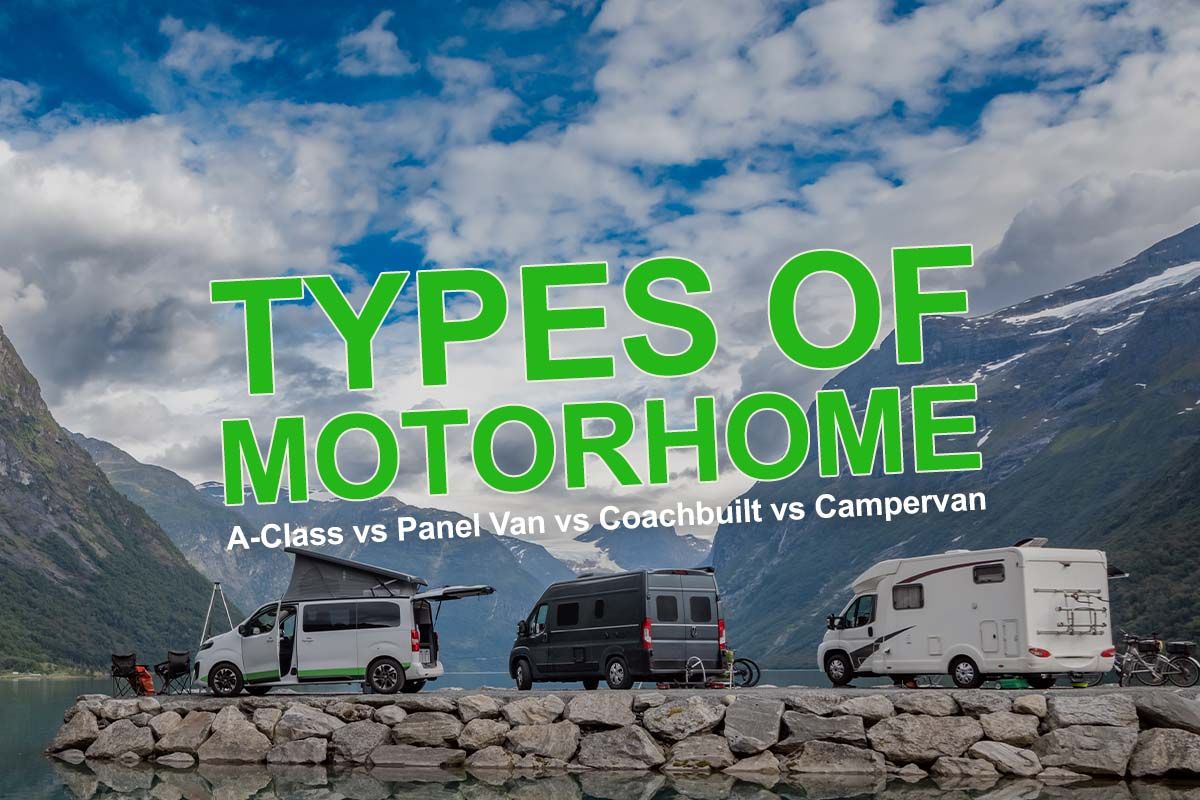
Motorhomes with a higher maximum weight typically require a C1 licence. This applies to larger, heavier models, including some A-Class motorhomes and high-spec coachbuilt vehicles.
If you passed your driving test before 1997, you may already have C1 entitlement on your licence, although it’s always worth checking to be sure.
If you passed after that, you would usually need to take an additional test to drive vehicles above the 3,500kg threshold.
For many first-time buyers, this isn’t something they need to worry about, as there are plenty of options available within the standard licence limit.
Berths vs belted seats
One area that often causes confusion is the difference between how many people can sleep in a motorhome and how many can travel in it.
A motorhome might be advertised as a four-berth, meaning it can sleep four people. However, it may only have two or three belted seats for travel.
The number of belted seats is what matters when it comes to driving legally with passengers.
So if you’re planning to travel with family or friends, it’s important to check how many designated travel seats are fitted, not just how many beds are available.
What motorhomes feel like to drive
This is where most concerns disappear very quickly.
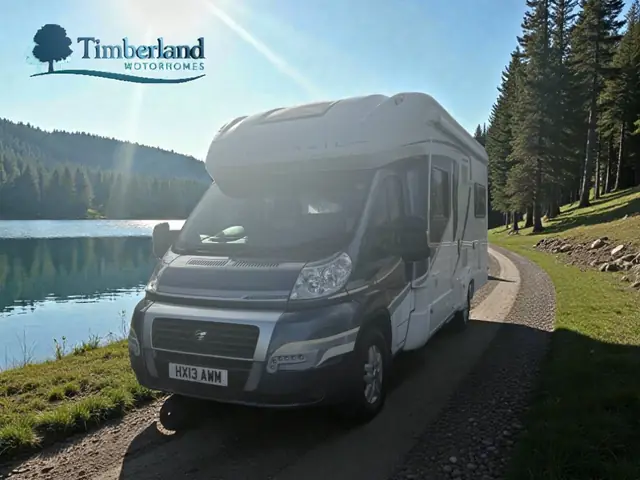
Motorhomes, particularly those under 3,500kg, are usually built on van chassis. That means they drive much more like a large van than anything else.
You sit higher up, which gives you a better view of the road, and the controls feel familiar if you’re used to driving a car. The steering is generally lighter than people expect, and the vehicle is designed to handle its weight comfortably.
For most people, the biggest adjustment isn’t how it drives, but being aware of the size.
Getting used to the size
Motorhomes are wider, taller and longer than cars, so there are a few things to keep in mind.
Width is one of the first things you notice, particularly when passing through narrower areas or driving past parked cars. The extended mirrors help with this, and once you start using them properly, they quickly become your best reference point.
Height is another important factor. You need to know how tall the motorhome is and be aware of height restrictions in car parks, barriers and low bridges.
Length becomes more noticeable when turning or manoeuvring. On longer motorhomes, the rear of the vehicle can swing slightly when turning, so it’s important to allow a bit of extra space.
These aren’t difficult things to manage, but they are worth being aware of from the start.
Why driving is easier than expected
One of the most common things people say after driving a motorhome for the first time is how quickly it starts to feel normal.
The elevated driving position, clear visibility and familiar controls all help build confidence quickly. What feels intimidating at first often becomes comfortable within a short amount of time.
If you’re unsure, the best thing you can do is sit in one, adjust the seat and mirrors, and picture yourself on the road. That alone tends to remove a lot of the uncertainty.
What to check before you buy
From a driving and licence point of view, there are a few simple things to confirm.
It’s worth checking the maximum authorised mass of the motorhome to make sure it fits within your licence. You should also confirm how many belted seats it has if you plan to travel with others.
Beyond that, it’s about making sure you feel comfortable with the size and layout of the vehicle.
Final thoughts
For most people, driving a motorhome is far less complicated than they expect.
If the motorhome is within the 3,500kg limit, a standard car licence is usually all you need. The driving experience itself feels familiar, and confidence builds quickly once you’re behind the wheel.
The key is understanding the basics, being aware of the size, and giving yourself a bit of time to adjust.
After that, it becomes just another part of the journey.
Below you’ll find a selection of motorhomes all able to be driven on a standard car licence.